

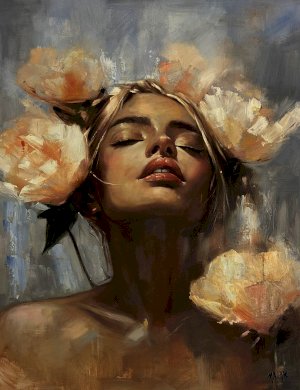



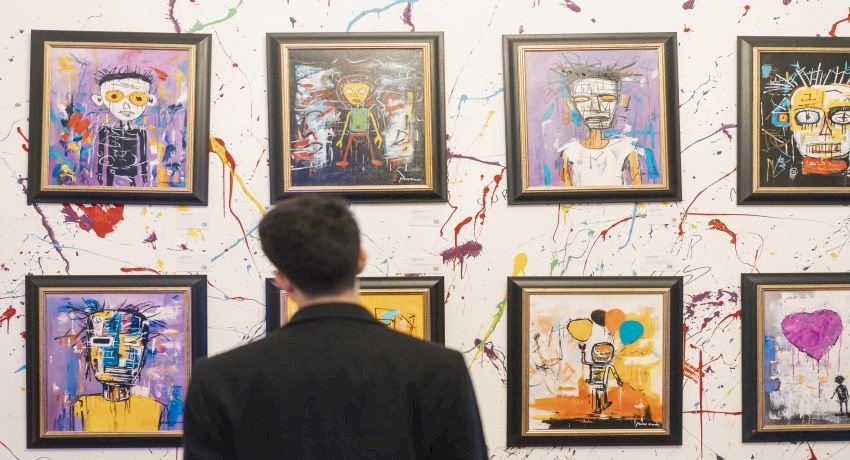
Impasto painting is a technique in which the artist applies paint to a canvas that is still wet, combining colours and allowing harsh edges to blend into other aspects of the landscape. The mix of colours and the thickly applied paint create movement, allowing the artist to highlight aspects that viewers may ordinarily perceive as flat and unchanging.
The impasto painting technique was used in Impressionist artwork to create thick, layered, luscious textures. It provides the artist with a new dimension, expressiveness, and versatility, allowing the paint's physicality and subtle texture to build a bold sculptural form.
It combines techniques such as glazing, underpainting, hue variations, and changes in texture, which build up over multiple layers, allowing the lower layers to partially dry.
Impasto Painting – Complete Guide to Techniques, Tools, History & Tips for Beginners
Impasto Painting embraces the use of coloured underpainting, supported by thick brush strokes applied without layering or blending. One can see each brush stroke, and the artist uses a thick, flat texture to direct the user's attention and create a sense of rhythm.
The texture created by Impasto changes as light falls on the painting, resulting in a fascinating interplay of light and shadow. The raised surface of the paint alters how light is reflected, creating a sense of depth and luminosity.
It is currently widely used by artists like Erin Hanson. She uses it to add beautiful textures to landscapes, build richness, and create a feeling of movement in the work. It allows the paintings to convey the feeling of being outside. Instead of making a single brushstroke stand out, impasto artists combine colours and use a rigid canvas that can hold the weight of solidified paint.
What is Impasto Painting? (Definition & Meaning)
Impasto is derived from the Italian word for mixture, paste or dough. It describes the paint's consistency. The technique is associated with oil paintings, but it can also be applied to acrylics, watercolours, and gouache. A mix of different types of paint or additives can be used to achieve a specific viscosity, ensuring a unique quality and affecting drying time.
The key characteristics of impasto paintings are visible brushstrokes and a physical surface which casts a small shadow, which can draw the viewer's attention to the desired areas and can shift the artwork from a sensuous to a dramatic style.
The technique is achieved through the use of brushes and knives, and it influences the painting's lighting, dimensionality, and expressiveness. One of the simplest ways to see impasto is to view the piece side–on and judge whether the medium is projecting from the canvas.
History of Impasto Painting
It was first used by the Venetian Renaissance artists Titian and Tintoretto in their works, like Titian's Assumption of the Virgin in the Basilica dei Frari (c. 1518) and Tintoretto's Self Portrait (c. 1548), where the technique was applied to add depth and texture to the figures in the work.
The artists from the 1500s and beyond used the technique with brush strokes and other applications.
History of Impasto Painting technique explains its extensive use in the 16th century by the artist Vincent van Gogh, who created many paintings applying the effect.
The Renaissance painters credited the use of impasto for creating invisible brushstrokes, a technique that lasted until the Baroque period in the 17th century.
Artists like Rembrandt and Caravaggio used the technique to create dramatic, substantial effects in their artwork. Bold paintings like Rembrandt's Bathsheba at Her Bath (c. 1654) and Caravaggio's The Calling of Saint Matthew (c. 1600) depict the impasto effect.
Many artists used impasto technique in the 17th and 18th centuries, including the Baroque painter Peter Paul Rubens (1577-1640), the Baroque painter Diego Velázquez (1599-1660), and the Romanticist John Constable (1776-1837).
Artists widely used it in the 16th and 17th centuries, but it was not as popular as it is today. It was seen in the iconic work Starry Night by Vincent van Gogh. Van Gogh was not the only impressionist who used it; artists from Cézanne to Monet employed it to convey spontaneity, dynamism, and transitions that could not be achieved by the popular style of fine brushstrokes in previous eras.
The technique was also showcased in Impressionist paintings, such as the Water Lilies series, and in van Gogh's Sunflower series. Other impressionist painters, such as Degas, Manet, and Renoir, used impasto technique across a wide range of their work.
Impasto painting was known for its texture, and artists such as Jackson Pollock, Frank Auerbach, Jane Frank, and Yayoi Kusuma used it to create a significant effect and enrich each of their works.
In the short history of Impasto Painting technique,
- Titian and Tintoretto in the Venetian Renaissance, 16th century, used it to add texture and create dramatic compositions, and the materials used for such works were fabric, light, and skin.
- During the Baroque period in the 17th century, masters such as Rembrandt and Rubens used thick impasto to create a three-dimensional effect that enhanced realism in skin, jewellery, and light.
- In the 19th century, artists like Monet used it in Impressionism to show shifting lights.
- Abstract expressionists employed it in modern acrylic mediums to add flexibility.
- Vincent van Gogh utilised impasto to express emotion by applying thick paint directly from the tube, creating intense energy as seen in the works Starry Night and Sunflowers.
Technique Materials Needed for Impasto Painting
Impasto creates a 3D, light-catching, dynamic effect. The technique emerged in 16th-century Venice with Titian and Tintoretto and evolved from realism to expressiveness, and was extensively used to depict emotional works by famous impressionists like Rembrandt and Vincent Van Gogh.
Some of the techniques used by artists are mentioned here -
The materials used in the paintings are heavy–body acrylics or oil paints. The mediums can be impasto gel (acrylics), which adds volume, or impasto Putty or wax oil, which can be used to increase solidity.
Metallic tools, plastic palette knives with thick texturisers and still-hog bristle brushes are used to create shapes.
Stretched canvas or sturdy wooden panels can support the weight of the paint.
Jackson Pollock and Jane Franky built sculptural layers of media on an impasto surface, where Jackson Pollock splattered, poured, and dripped paint in massive amounts, the sheer weight of which was increased by the impasto layers.
The Abstract expressionists used many other unusual media and materials, such as broken glass, cigarette butts, and stones, to convey conceptual and physical depth.
Step-by-Step Impasto Painting Technique for Beginners
First, gather all the materials: the acrylic colours, white base coat, panel brush, palette knife, wood panels, paintbrushes, piping bags, gloss gels and others.
The step-by-step process to create impasto paintings includes
Prepare the surface and background by lightly sketching the subject and applying a thin base coat to the background, creating a basic composition. Then leave it to dry. It is advised to use a medium tone at the start to unite the composition and set the mood. The painting should move from the general to the complicated details.
Apply a base coat, then choose different paint colours and mix them with an impasto medium, such as gel or paste, to achieve a thick, solid consistency. Use the tip of the knife to create shapes and highlight colours on the wet, thick, dark base or thin background.
Load the palette knife with thickened paint, drag it across the surface, or dab the paint and lift quickly to create texture.
You can build layers of thin and thick paint, then let it dry to create different textures.
It can take over 2 -4 hours and several days for the paint to dry.
Impasto Painting Techniques (Advanced Methods) Oil vs Acrylic Impasto – Which is Better?
Acrylic is a great medium for beginners to learn and start painting. Oil paints stay wet for longer than acrylics. It offers greater flexibility to start a painting, as one can return the next day and continue straight from where it was left off.
The paint on the palette remains wet, and the colours can be blended later. The crisp edges can be achieved with acrylics, which easily cover hard shapes with thicker paint, but blending acrylics can be tough, as they require a lot of drying time.
A thin coat of acrylic paint can give a watercolour look—Acrylic can crack, but only when exposed to extremely cold temperatures.
Oil painting blends colours, but it dries slowly. Each pigment requires a different amount of oil, resulting in varying drying times. It is advised to use a well-ventilated area when using liquid. In confined spaces, fumes from thinners can overwhelm the artist. Acrylics are considered a better alternative for people working in confined spaces.
The impasto painting brushstroke creates a colour gradient, which appears in the shadows cast by the raised paint as the light hits it. The positions of the lights and the viewers' point of view shifted subtly, creating depth variations and enhancing the sense of realism.
Famous Impasto Paintings & Artists
Some of the most famous Impasto Paintings Artists created depth and richness in the facial features and clothing by thickly applying paint, which gave the paintings a sculptural quality and added an intriguing play of light and shadow. Rembrandt van Rijn incorporated impasto in his works in the 17th century.
Famous Impasto Paintings Artists, such as Norman Long, influenced by Rembrandt, created distinctive paintings with a certain voluminous feel.
The 16th-century Italian painter Titian was among the first artists to deliberately employ techniques to create masterful, realistic works. Titian realised that accumulating paint in a specific area of a surface could create variations in how light was reflected, giving the elements a lifelike feel.
Around the 20th-century Expressionist painters used thickly layered paint to create shadows and abstract imagery, distorting how viewers interacted with subject matter and conveying heightened drama, intensity, and seriousness, allowing artists to express their deep emotional states.
The impasto technique was used in expressionism, helping shift the painting's focus from the subject to its formal qualities.
Hans Hofmann was one of the influential abstract artists who embraced impasto. He believed that focusing on formal elements of aesthetics allowed artists to express deeper truths. The impasto paintings expressed abstract qualities of space, colour, form, structure and illusion.
His students, Jackson Pollock and Jane Frank, used impasto painting to create a new dimension.
Common Mistakes in Impasto Painting (And How to Fix Them)
One mistake artist make is using heavy impasto layers, which often require correction but are difficult to fix.
- The artists often ignore the rule for the thickness of each paint layer.
- In oil painting, the subsequent layers must be flexible to prevent cracking.
- Excessive blending or brushing can destroy sharp textures, resulting in a flat, unclear surface.
- One can use heavy-body acrylics, mix the moulding paste, or use gel mediums and lightweight modelling paste to increase volume without increasing weight. You require proper tools, such as palette knives and stiff bristles, to hold structures.
- Layering and the wet-on-dry method are used to prevent the surface from turning muddy. It is advised to avoid overworking with paint to minimise blending and leave it to maintain sculptural quality.
- In classical oil painting, one of the layers was a "dead colouring layer", painted with oil paint thinned with turpentine, which soaks up the oil and speeds up drying time.
- Artists can mix a stiffening medium, such as Beewax or specialised impasto gels, to prevent sagging.
- Thickener or modelling paste can be used to mix with an impasto medium.
- Place the thickest paint where the light hits to create dynamic shadows, depth, and highlights. Use a single versatile knife to manage multiple colours, letting them mix with the blade.
- Use oil sticks or semi-solid oil to hold texture and line work.
Painting Tips Techniques
The impasto technique uses a thick layer of paint to create a textured surface that stands out from the canvas and involves applying a thick layer of colour on the surface and using a brush, palette knife, or tools such as sponges, spatulas, or hands to create a sense of depth, volume, or movement, achieving a textured, three-dimensional effect.
It allows the artists to tell dynamic narratives and create a sense of transition of character or energy.
An easy impasto painting technique is to layer the paint and create motion. Impasto is known to conceal additional images, and the technique has been used for centuries to tell stories to the audience. The impasto technique allows the artist to depict intricate figurative scenes, skillfully conveying sensuous qualities.
The use of paint in certain ways allows the artist to display light ripping off soft skin and cascading drapery, and demonstrates the expressive power of thickly applied paint, which adds depth and texture to the artworks.
Artists who work fast prefer quick drying times, and artists who want a buttery texture use slow blending to remodel, sculpt, and remove thick paint over several days.
Impasto Oil Arcyart
Most artists use impasto to add a realistic feel to their artwork, emphasising the brushstrokes and building a sense of physical presence. The technique is found in many classical oil paintings, in parts of many ancient documents, and in other painting media.
Impasto allows the artist to create a more expressive work and adds layers of visual interest. From creating realistic skin wrinkles to mimicking the sporadic effects of light hitting objects, it can be used in a variety of different styles to enhance your artwork.
Oil Impasto is known for its buttery consistency and takes a long time to dry, allowing for greater manipulation time. Artists often build up thick textured layers of oil impasto without adding mediums, while gels can be added for greater stability.
Acrylic impasto requires a heavy body paint, and you may need to add extra heavy gel mediums or texture pastes to prevent the paint from flattening when it dries. Acrylics dry quickly and allow for rapid, layered 3D work.
In impasto art, paint is applied directly to the canvas in layers, allowing oil-based brushwork to create a 3D effect.
How Long Does Impasto Take to Dry?
Impasto painting is famous for its textured applications, thick consistency, and longer drying time than thin paint. Thick impasto oil paint can take one to three months to firm up, and some may take six to twelve months to fully cure.
Acrylic impasto dries faster than oil, where the surface dry can take a few days to weeks. Drying can be faster in alkyd mediums such as Liquin or Galkyd Gel, or in conditions when the painting is on over-absorbent surfaces.
Acrylic impasto typically dries to the surface in a few days to weeks, but still requires significant time for deep curing. The surface dries in 1 to 2 days, but thick applications can take more than 2 weeks.
Environmental conditions influence drying times: high humidity, poor airflow, or cold temperatures can prolong drying, whereas good ventilation and a proper medium can speed it up. It is advised to wait 6 months before applying the final varnish to a thick oil painting to avoid trapping wet paint beneath it.
Can Beginners Do Impasto Painting?
Beginners can use impasto with beginner-friendly techniques that involve creating a thick texture, allowing artists to hide mistakes. Artists must use palette knives to apply thick paint and create bold texture.
Use heavy-body acrylics or oils, and modelling paste or gel medium, to achieve a thicker, sculptural surface. New artists can try the "alla prima" method, which uses wet-to-wet techniques to achieve a quick, expressive result.
FAQs
What Does Impasto Mean in Art?
The term impasto originates from the Italian word for “dough," “kneading”, or "mixture." It is used for a painting technique in which a thick layer of paint is applied, often straight from the tube or with a palette knife, to create a 3D textured surface that makes the paint stand out from the canvas and cast a shadow when the light falls, allowing the canvas to appear to pop off.
When it dries, it creates a tactile surface which changes under different lighting conditions. Impasto increases a painting's expressiveness and allows the artist's brushwork to be visible to the viewer.
Is Impasto Only Done with Oil Paint?
No, impasto is not done only with oil paint; the textured surface can be achieved with heavy body acrylics mixed with modelling acrylics, gels, or moulding materials that hold peaks and prevent sagging.
Oil was traditionally used to create the impasto effect; however, even less common paint types, such as watercolours, can be used to get a sculptural effect when applied thickly or with fillers.
Why Did Van Gogh Use Impasto?
Vincent van Gogh used impasto to create a tangible, three-dimensional, expressive work of art that often-conveyed intense emotions and a sense of moving energy.
The technique allows the creation of visible, dramatic brushstrokes that reflect the painter's expressive state, adds vitality, creates shadows, and enhances the vibrancy of the colours, giving a realistic representation of the scenes.
Can You Do Impasto with Acrylic Paint?
Yes, heavy body acrylic paint mixed with gels and modelling pastes can create thick, three-dimensional texture, giving the paint a sculptural layer and preventing shrinkage while adding volume. A palette knife must be used instead of brushes to get a sharply defined texture.
Does Impasto Crack Over Time?
Yes, impasto paint cracks over time when applied too thickly and unevenly without following flexible drying techniques. The excessive thickness causes the outer layer to dry faster than the inner layer, leading to cracks. The risk of cracking increases when painting is done on a flexible surface, such as a canvas, rather than a rigid one.
What Tools Are Best for Impasto Painting?
The best tools for impastos are metal palette knives of various sizes with a set of shapes(such as diamond or trowel), stiff hog bristle brushes (such as filbert and flat), thickening agents(such as gel mediums for acrylics, super heavy gels, glass gels, matte gel, modeling paste, additives, cold wax for oils) and impasto gels which increase paint viscosity.
Artists need silicone spatulas, sponges, a rigid support like a canvas board, cold wax, and a knife or blending tools.
